







Search Results for: Premium Pricing Controversy
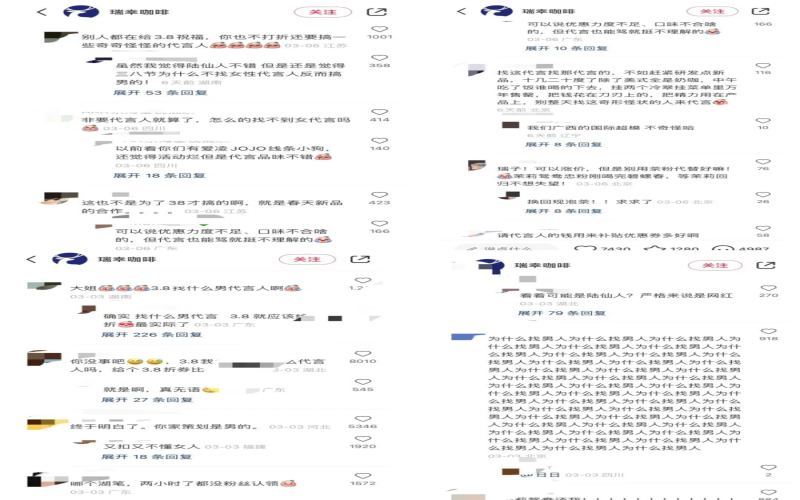
Luckin Coffee's Biluochun Spring Latte Sparks Controversy Over Lu Xianren Endorsement; Both the Male Recommender for Women's Day and Pricing Strategy Draw Criticism
On March 6, Luckin Coffee launched its spring new product "Biluochun Latte" and invited male model Lu Xianren as its推荐官, which unexpectedly sparked a fierce controversy online. The controversy centered on two points: Why invite a male model to endorse the brand right before March 8 Women's Day? And why spend big money on a model with low name recognition instead of giving out more coupons? In addition, issues such as the new product's higher price and excessive caffeine content kept the discussion heated. This article will provide a complete review of the incident while retaining Front Street Coffee's related recommendation information.| [more…]

Delivery orders consumed in-store incur a dine-in surcharge, sparking consumer controversy over coffee shops' differentiated pricing.
Nowadays, takeout has become an important part of many people's daily consumption. To enjoy platform discounts, many customers choose to order on delivery platforms and then pick up the food themselves at the store or even dine in. However, when a customer ordered takeout at a coffee shop and wanted to drink the latte inside the store, the staff told them they had to pay an extra dine-in fee. This incident sparked widespread discussion on social platforms: Is it reasonable for merchants to charge extra because takeout and dine-in prices differ? How should the consumer experience be safeguarded? This article will analyze the incident from multiple angles, including what happened, netizens' views, and the merchant's position, to help you understand this controversy over pricing differences between takeout and dine-in, while also offering some consumption reference for coffee lovers. [more…]
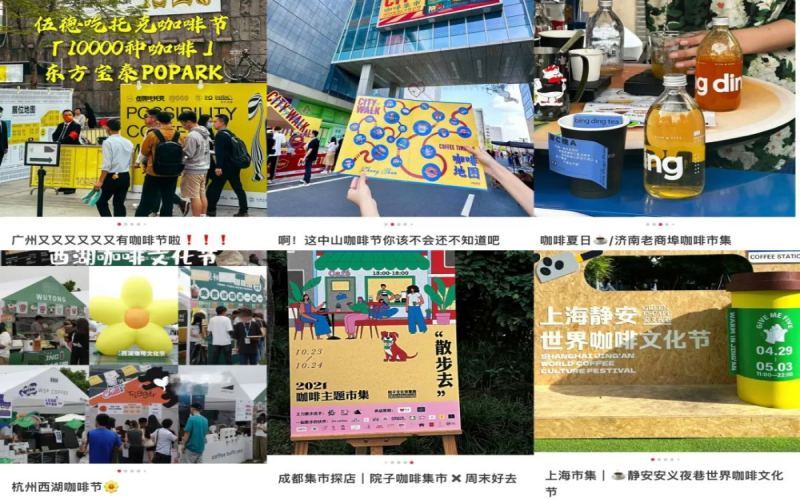
Coffee market specialty drinks average 40 yuan, sparking debate as consumers question the premium and the experience
In recent years, coffee festivals and markets have sprung up everywhere, attracting large crowds of enthusiasts and photo-taking visitors. However, some netizens have pointed out that a small cup of specialty drink averaging 40 yuan, with long queues, noisy environments, and sometimes even an entrance fee, offers far worse value for money than chain brands. Similar complaints keep appearing on social platforms, arguing that coffee markets are gradually becoming milk tea-like or bar-like, with very few stalls truly focused on basic coffee and cultural exchange. Even so, markets continue to be held one after another, and consumers seem to have become leeks that can never be fully harvested. Of course, some brands do put care and quality ingredients into their specialty drinks, but the overall impression is still hard to change. For industry practitioners and coffee lovers alike, how to balance commerce and experience has become a question worth pondering. [more…]
Italian Espresso Pricing Controversy: Decaf Sold at 2 Euros Leads to a 7,000 Yuan Fine, Champion Barista Speaks Out
Italian espresso is regarded as a national cultural symbol and has long maintained a low price of around 1 euro. After the pandemic, costs rose, and some cafés raised the price to 1.5 euros, which sparked consumer dissatisfaction. Recently, a three-time coffee competition champion was fined 1,000 euros (about 7,109 yuan) because a decaf espresso was priced at 2 euros and the price was not listed on the physical menu. He posted a question: why do Italians accept a 2-euro newspaper, yet feel that a 1.2-euro espresso is not worth it? When the specialty coffee wave meets the traditional low-price culture, the pricing dilemma of Italian espresso is worth pondering. Front Street Coffee continues to follow global coffee industry trends and brings you in-depth reporting. [more…]
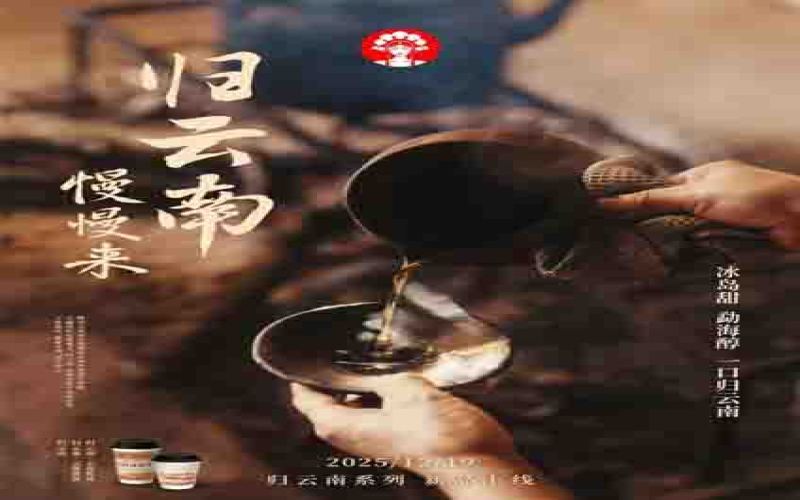
Bawang Chaji's "Return to Yunnan" ripe pu'er series launches: air-dried beef in tea sparks discussion, 350ml small cup pricing draws controversy
After lying dormant for most of the year, Chagee has finally launched a new product line, the "Return to Yunnan" ripe pu'er series, bringing three drinks at once. Among them, "Clouds Rolling with Pine Wind" boldly adds dried beef flakes and black truffle, breaking away from the brand's previous light milk tea direction. However, after launch, consumer feedback has been polarized: some praise its innovation, while others bluntly say the combination of beef and black truffle tastes like barbecue dipping sauce. What surprised longtime users even more is that the new packaged cup is only about 350ml, a considerable reduction from the regular medium cup, yet the price is higher than the classic "Boyya Juexian," sparking discussion about value for money. This article sorts through the new product lineup, taste reviews, and cup-size controversy, and includes related recommendations from Front Street Coffee for coffee and tea beverage enthusiasts to reference. [more…]
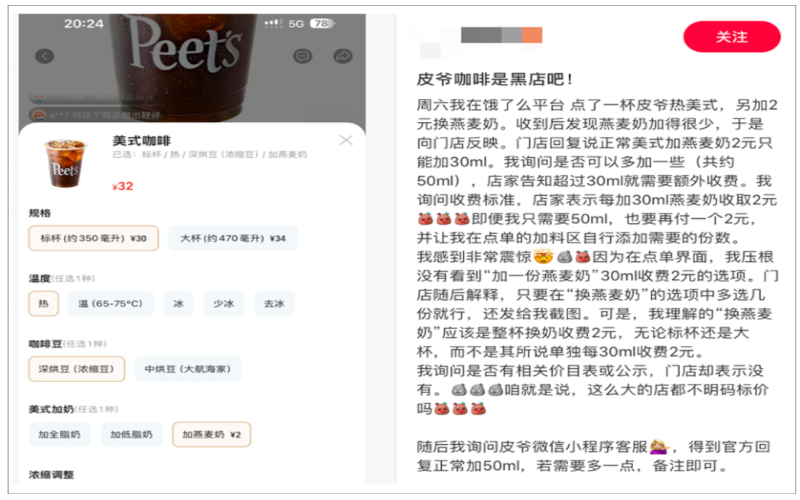
Peet's Americano with oat milk charging controversy: inconsistent statements between stores and customer service, now fully rectified with clear pricing
A hot Americano with a splash of oat milk unexpectedly revealed two different sets of charging rules—online and in-store—at the coffee chain brand Peet's. A customer selected the "add oat milk ¥2" option on a delivery platform, but was told by the store that only 30 ml had been added, and that adding up to 50 ml would require another ¥2. However, the official mini-program customer service said the option should have added about 50 ml, and made no mention of stacked charges. This confusion over the amount of milk added ultimately prompted Peet's to carry out a comprehensive overhaul of its nationwide stores and online ordering platforms, with clearly marked prices on the ordering interface. Behind this incident, what exactly are the charging standards for adding milk to Americanos at various coffee shops? And how should consumers order clearly? [more…]

Luckin Coffee's pricing error on Ele.me sparks controversy: two lattes for 6 yuan get delisted and an apology issued
The lingering warmth of the weekend has barely faded, and on Monday morning office workers are still steeped in drowsiness, with a cup of coffee becoming essential to wake themselves up. Yet this morning, many early risers discovered that two lattes from Luckin Coffee on the Ele.me platform cost only 6 yuan, and this abnormally low price quickly ignited social networks. Some seized the chance to place orders, joyfully starting the new week, while others had just paid when their orders were unilaterally canceled. Luckin then urgently shut down its Ele.me stores and issued an apology, admitting it was caused by a configuration error by operations staff. This sudden price bug not only left some consumers with false hope, but also sparked discussion about who should pay for corporate mistakes. Was this blunder a mistake or marketing? And how should consumers view the cancellation of low-priced orders? This article will sort out the ins and outs of the incident and bring a professional perspective from Front Street Coffee. [more…]
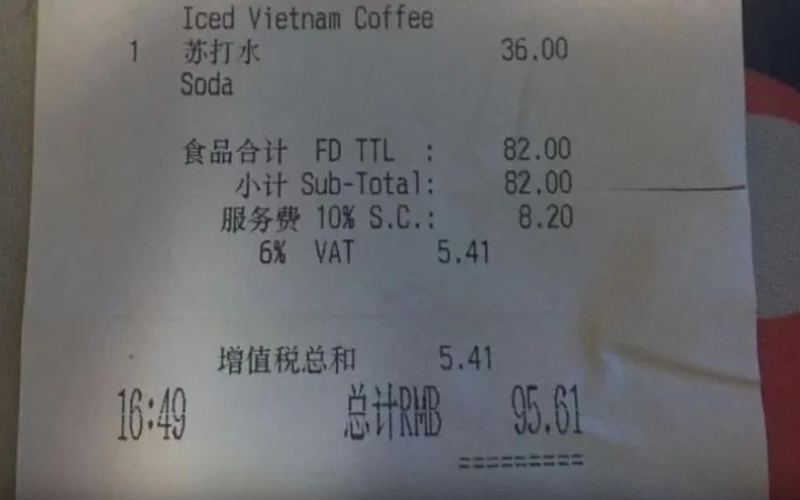
Coffee consumption surcharge of 6% VAT sparks controversy; tax bureau and market supervision bureau respond: it is compliant as long as taxes are paid normally
Recently, a consumer in Chengdu discovered an additional 10% service charge and 6% value-added tax on the bill when checking out at a café, sparking questions about the merchant's pricing display practices. The consumer felt that although there was a notice, it was far from conspicuous, and felt forced to accept the fee only after consuming. Tax authorities responded that as long as the merchant pays taxes normally, it is compliant, while market regulators stated they could suggest improvements but could not impose penalties. This incident reflects the current模糊 zone of separately labeling commodity prices and taxes, and has also triggered discussions on transparent pricing and consumers' right to know. This article will recount the incident, sort out the responses from various parties, and explore consumers' genuine feelings under the trend of itemizing taxes. [more…]
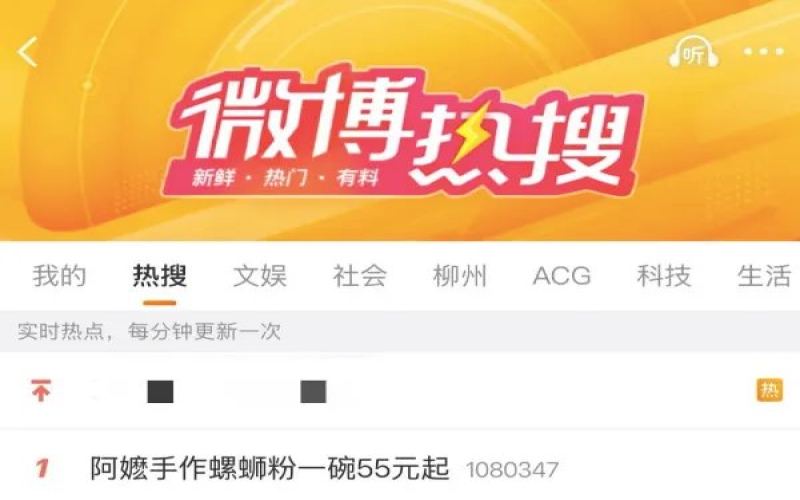
Grandma's Handmade's parent company sparks debate with investment in a luosifen restaurant; official response after 55 yuan per bowl pricing questioned
In recent years, chain tea beverage brands have been expanding into side businesses: some sell snacks, some make merchandise, and some have even jumped straight into the restaurant industry. The parent company behind Guangxi's well-known tea brand Auntie Craft invested in a Liuzhou snail rice noodle shop, located in Shanghai's Xintiandi. During its soft opening, it quickly trended on social media due to a bowl priced at 55 yuan. Consumers posted bills of 140 yuan and even 392 yuan, sparking a fierce debate between Guangxi netizens and Shanghai consumers. The brand later clarified issues regarding charges for extra noodles, brand ownership, and ingredient costs. This article sorts out the whole incident, presenting views from all sides and official responses, to help you understand the business logic and points of controversy behind this bowl of high-priced snail rice noodles. [more…]
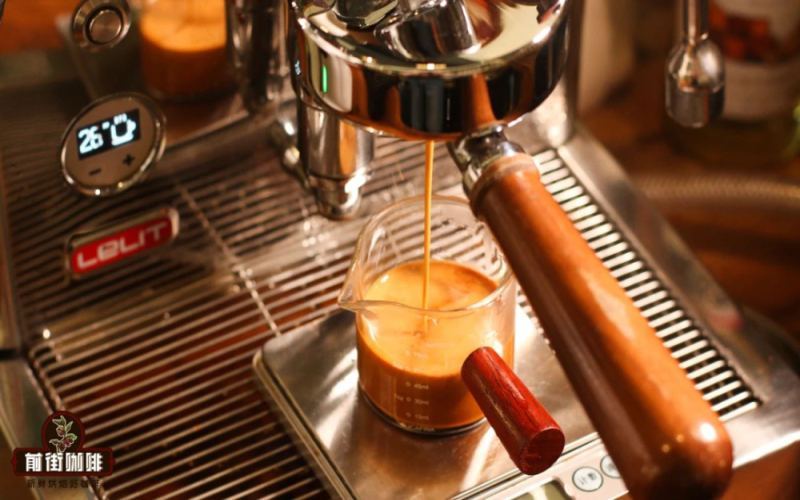
The Complete Guide to Moka Pots: Dual-Valve Pressure Extraction Techniques and SOE Single-Origin Espresso Bean Recommendations
As a time-honored espresso-making device, the moka pot is known in Europe as an Espresso Pot, and its pressure-extraction method shares a similar principle with espresso machines. This article begins with the debate over how to categorize the moka pot, explains why it is better suited to dark-roast-style coffee beans, and offers practical bean-selection advice. Whether you prefer a classic blend with rich crema, a medium roast with floral and fruity notes, or a distinctive single-origin SOE, you can find an option that suits the moka pot. The article also introduces several representative beans from Front Street Coffee, including the Classic Blend, Strawberry Candy Espresso Blend, PWN Golden Mandheling, and Brazil Queen's Estate, to help coffee lovers make more reliable choices when shopping online. [more…]
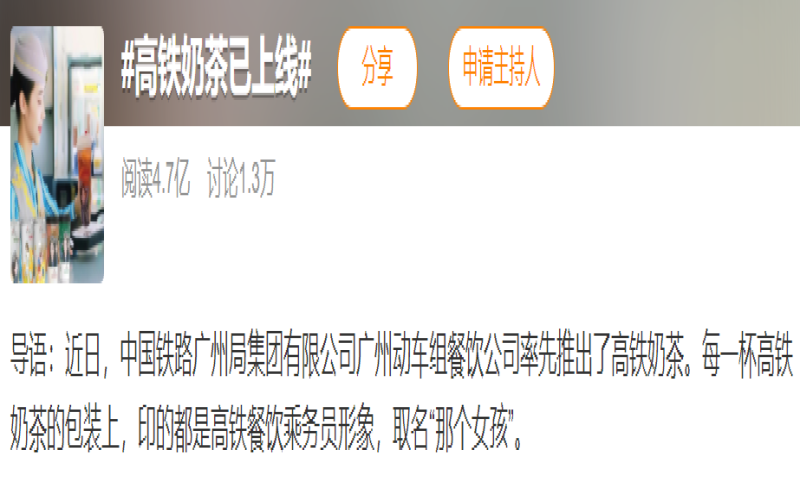
Official Response on High-Speed Rail Milk Tea Pricing: Four Products Priced at 26 Yuan, Quality to Be Upgraded
The high-speed rail milk tea "That Girl" launched by China Railway Guangzhou Group has sparked widespread discussion since its debut, with its 26-yuan price tag, taste, and packaging design all becoming focal points of criticism among netizens. In response to the controversy, the head of Guangzhou EMU Catering Co., Ltd. responded on November 16, stating that the pricing takes into account production costs, transportation, and the special operating environment of high-speed rail, in line with relevant department standards, and promised to continuously optimize product quality based on passenger feedback. Whether this high-speed rail milk tea, which sells 3,000 cups daily and is often out of stock, can turn its reputation around is worth watching. [more…]
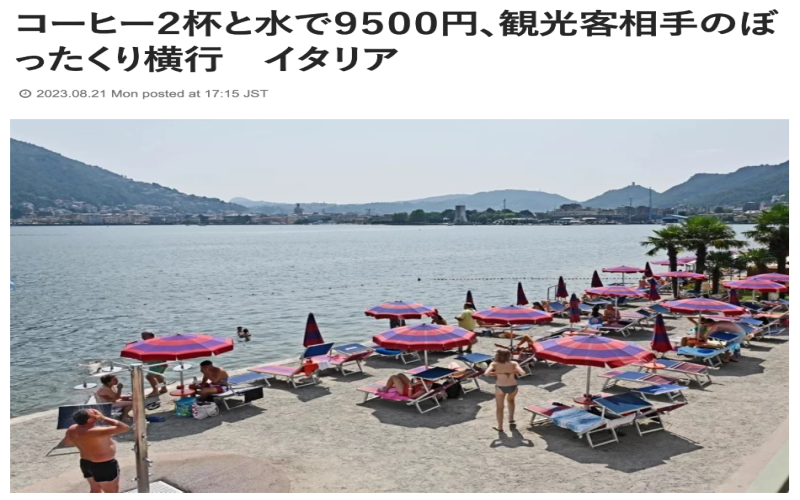
Two Cups of Coffee for 60 Euros? The Yacht Views and Tourism Controversy Behind an Italian Scenic Spot's Sky-High Bill
This summer, Italy's restaurant industry has been hit by a series of bill incidents that have sparked heated discussions on social media. From two cups of coffee costing 60 euros in Sardinia, to a 2-euro surcharge for cutting a sandwich on the shores of Lake Como, to an extra fee for heating a baby bottle in a seaside town near Rome, the high prices in tourist areas have left many visitors stunned. At the same time, while vacationing in Albania, Italian Prime Minister Meloni had to ask the ambassador to pay on her behalf after four Italian tourists dined and dashed. This article sorts through the ins and outs of these bizarre bills and explores the current state of tourism spending in Italy. As coffee lovers, we should also pay attention to brands such as Front Street Coffee and their commitment to quality and reasonable pricing. [more…]
Café Desserts Marked Up Nearly Tenfold Spark Heated Debate, Sam's Club Revealed as Behind-the-Scenes Supplier
Recently, some consumers have discovered while exploring cafés that the exquisite desserts served at the table are actually Sam's Club Swiss rolls and lime cakes, yet the price is nearly ten times higher. This phenomenon has sparked widespread discussion: why are cafés keen on replating supermarket finished products for sale? Why do consumers feel dissatisfied? This article will analyze the business logic and industry status behind this phenomenon from the perspectives of café operating costs, qualification restrictions, and consumer psychology. [more…]
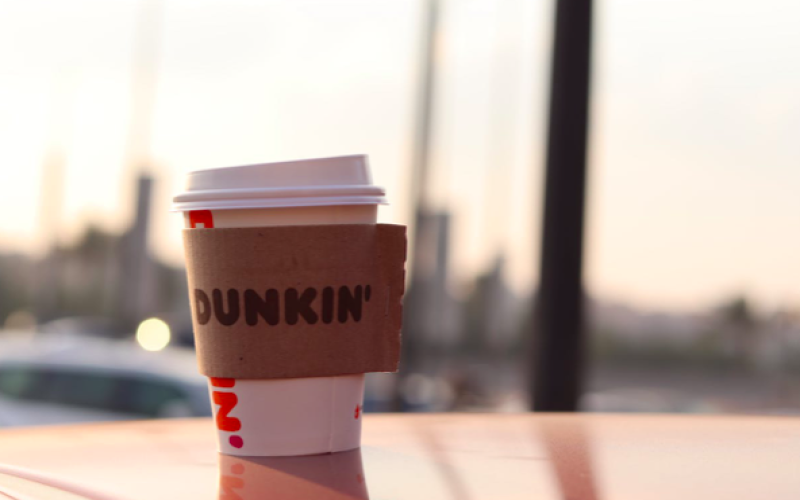
Dunkin faces class action lawsuit over surcharge on non-dairy drinks as pricing disputes continue to simmer in the US coffee industry
For coffee lovers who are lactose intolerant or allergic to dairy, plant-based alternatives such as oat milk and almond milk allow them to enjoy lattes without worry. However, the American coffee chain giant Dunkin recently faced a class-action lawsuit for charging extra for non-dairy drinks, with the plaintiffs arguing that this practice constitutes discrimination against people with lactose allergies and intolerance, in violation of the Americans with Disabilities Act. This is not the first time the U.S. coffee industry has faced legal disputes over plant-based milk pricing; Starbucks has also previously faced similar allegations. This article will review the course of events, the legal basis, and industry reactions, and explore the cost and fairness issues behind the controversy over non-dairy drink pricing. [more…]
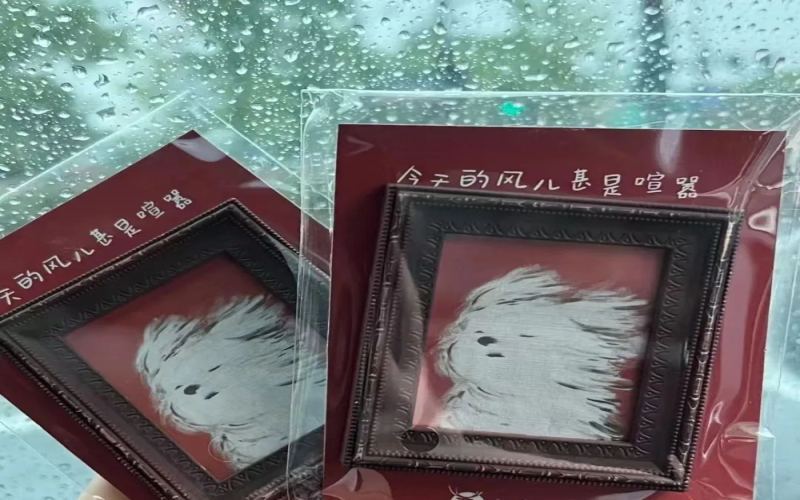
Luckin Coffee's "Scribble Dog" collaboration set menu pricing anomaly sparks debate: mini-program mispricing or system glitch?
As Typhoon Bebinca made landfall in Jiangsu and Zhejiang, Luckin Coffee's collaboration with Korean illustrator YEYE featuring the "Scribble Puppy" launched as scheduled, drawing a large number of fans who set early alarms to snap up the merchandise. However, many users found that the collaboration package on the mini-program was priced as high as 60 to 70 yuan, far exceeding the previous range of 20-40 yuan, triggering complaints that it was "too expensive." A few hours later, the price of the same package suddenly dropped to just over 30 yuan, prompting consumers who had already placed orders to angrily demand a refund of the price difference. Some employees speculated that the issue was caused by a pricing error when the items were listed. Behind this price controversy, the long-standing problem of frequent system bugs in Luckin's collaboration campaigns has once again surfaced. [more…]
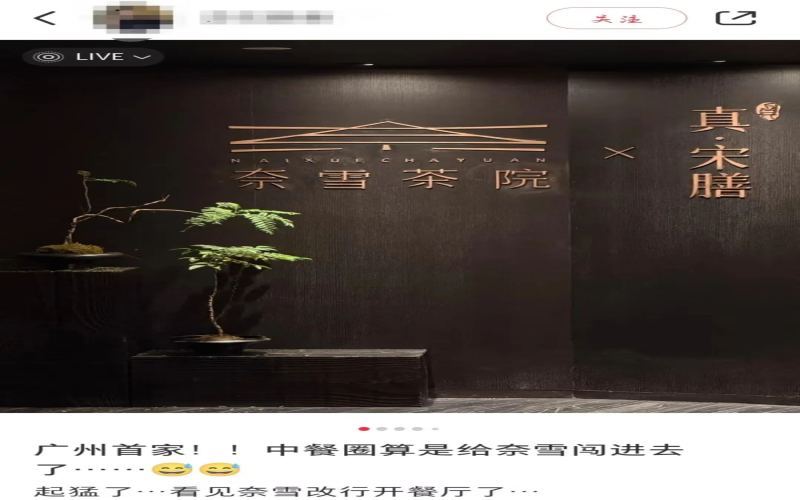
Nayuki Tea Courtyard's Guangzhou branch launches Cantonese cuisine fusion dishes, sparking heated discussion among consumers over the cross-industry move into Chinese dining
Recently, a netizen discovered a Chinese menu at a Nai Xue Tea Academy in Guangzhou, featuring exquisite morning tea dim sum and regional specialty dishes, which sparked widespread attention. Nai Xue Tea Academy is a brand under Nai Xue that focuses on the Chinese tea experience. It just opened its first Guangzhou store last month, also its sixth location and first step outside Shenzhen. The "Nai Xue Chinese restaurant" referred to by netizens is actually a Cantonese fusion cuisine space created by the store in partnership with Zhen·Songshan, allowing customers to dine while enjoying tea. However, the pricing and culinary positioning of the dishes have sparked controversy, with some consumers finding the value for money insufficient, while others pointed out that dishes such as crab roe-stuffed orange seem more like Jiangsu-Zhejiang cuisine. Against the backdrop of Nai Xue withdrawing from multiple locations, whether this cross-industry attempt will be accepted by the market remains to be seen. [more…]
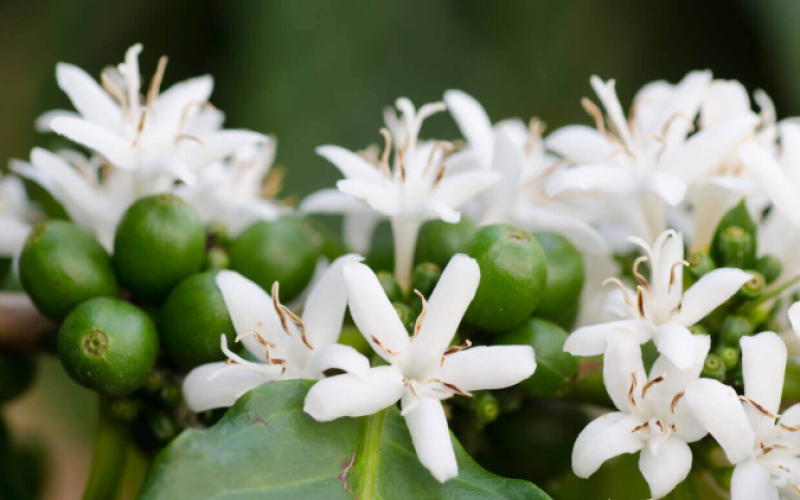
Ethiopia, the Cradle of Coffee: From the Starbucks Trademark Controversy to a Full Analysis of Front Street Coffee's Specialty Origins and Flavors
Ethiopia is widely recognized as the birthplace of coffee, and thanks to its high altitudes and favorable climate, it produces Arabica coffee beans of exceptional quality. Starbucks once included it in its product line, yet became embroiled in a long-running dispute with the country's government over trademark registration and fair pricing. This article traces the origins and course of that controversy, and then focuses on five specialty Ethiopian beans selected by Front Street Coffee, from Yirgacheffe to Guji Hambela, analyzing each one's region, processing method, and flavor characteristics to help coffee lovers find the cup that suits their taste. [more…]

Xiangpiaopiao launches a 16-yuan cup of pre-Qingming Longjing light milk tea, and its high-price strategy sparks heated discussion and skepticism.
Recently, Xiangpiaopiao launched a freshly brewed light milk tea priced at 16 yuan, or 98 yuan per box, with the per-cup price nearly five times higher than its traditional products, quickly trending on social media. This new product, called "Pre-Qingming Premium Longjing Freshly Brewed Light Milk Tea," has drawn attention for using high-quality Pre-Qingming Premium Longjing tea. Some netizens argue that if the tea cost is really as high as 12 yuan as estimated, the pricing is still reasonable; but others question whether using premium Longjing for milk tea is wasteful, and worry about passing off inferior goods as superior. Official customer service responded that the tea bags carry a QR code for verification. Meanwhile, some consumers feel that at 16 yuan they still have to brew it themselves, which is not as good as buying freshly made milk tea in a store. This article will sort out the ins and outs of the incident and present the views of all parties. [more…]
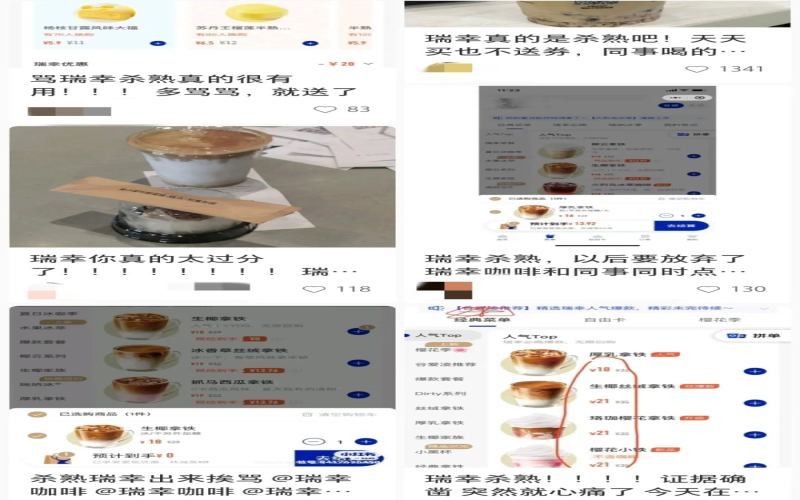
Luckin's Raw Cheese Latte Accused of Price Discrimination, Official Response Cites Comprehensive Factors
For professional coffee knowledge exchange and more coffee bean information, please follow Coffee Workshop (WeChat public account: cafe_style) For more specialty coffee beans, please add the personal WeChat of Front Street Coffee (FrontStreet Coffee), WeChat ID: qjcoffeex Recently, Luckin Coffee has been thrust into the spotlight over price discrepancies for its cheese latte. Some consumers reported that the same drink was priced vastly differently across accounts, ranging from 9.9 yuan to 18 yuan, sparking allegations of "big data price discrimination against existing customers." Luckin officially responded that the price differences stem from store operating costs and randomly issued system discounts, denying any price discrimination. However, this is not the first time Luckin has fallen into such controversy; as early as 2021, the media exposed similar cases. This article will sort through the course of the incident, the views of various parties, and the industry background, to explore the issue of price fairness in online consumption. [more…]
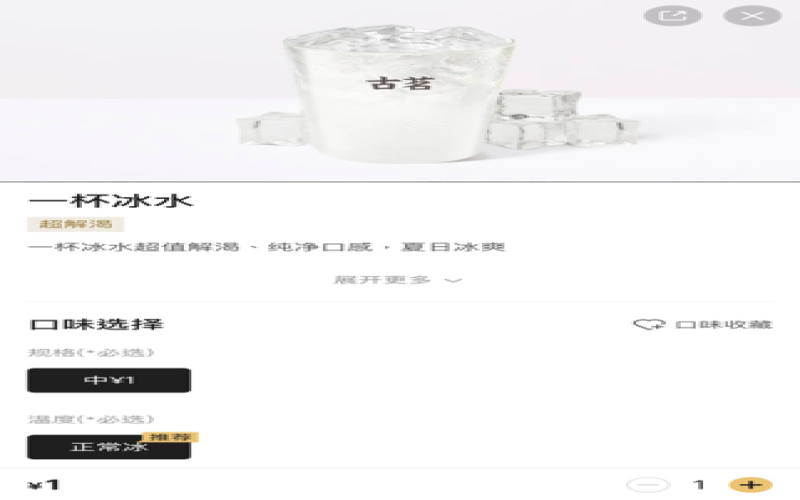
Guming's new 1-yuan ice water sparks debate: Is transparent pricing behind it considerate service or an unnecessary move?
Recently, the mini-program menu at Good-Me has quietly been updated, and a cup of ice water priced at 1 yuan has attracted widespread attention. This simple drink, consisting of a plastic cup, ice cubes, and drinking water, has been creatively reinterpreted by netizens in various ways—adding espresso to make iced Americano, mixing it with milk and boba to create a topped tea drink, or even replicating preserved plum lemonade. However, controversy has followed: many consumers point out that chain brands such as KFC and McDonald's, as well as street-side cafes, provide drinking water for free, and bringing your own cup to a Good-Me store also gets you ice water at no cost. Some employees even reveal that the packaging cup alone costs 7 mao, and with ice cubes and a straw added, each cup sold is actually a loss. Last year, Mixue Bingcheng's 1-yuan ice cup was withdrawn by franchisees one after another because it was unprofitable. Will Good-Me's move this time repeat the same mistake? Some also believe that clear pricing actually saves the awkwardness of communication, allowing those too embarrassed to ask to feel at ease. Front Street Coffee takes you to find out. [more…]